

Place two fingers gently on your wrist, and you can feel the rhythm that keeps blood moving through the body.
That rhythm begins in the heart, but the brain and nervous system continually adjust it according to movement, breathing, temperature, emotion, and energy demand. Meanwhile, the heart and blood vessels send information back about pressure, rhythm, and circulation.
Most of this conversation happens outside conscious awareness. Yet it helps the body respond to activity, recover from stress, and maintain internal balance.
The relationship is therefore not a one-way command from the brain. It is a continuous feedback loop in which both sides listen and respond.
The Heart Has Its Own Rhythm
The heart does not wait for the brain to initiate every beat.
Specialized pacemaker cells in the sinoatrial node generate electrical impulses that establish its basic rhythm. This allows the heart to beat automatically.
However, the rhythm must change as the body’s needs change.
Walking upstairs requires more oxygen than sitting quietly. Stress can also prepare the body for action, even when no physical movement occurs.
Sleep, digestion, exercise, temperature, hydration, and hormones can all affect cardiovascular demand.
The heart provides the basic rhythm, while the nervous system continually adjusts its speed and force.
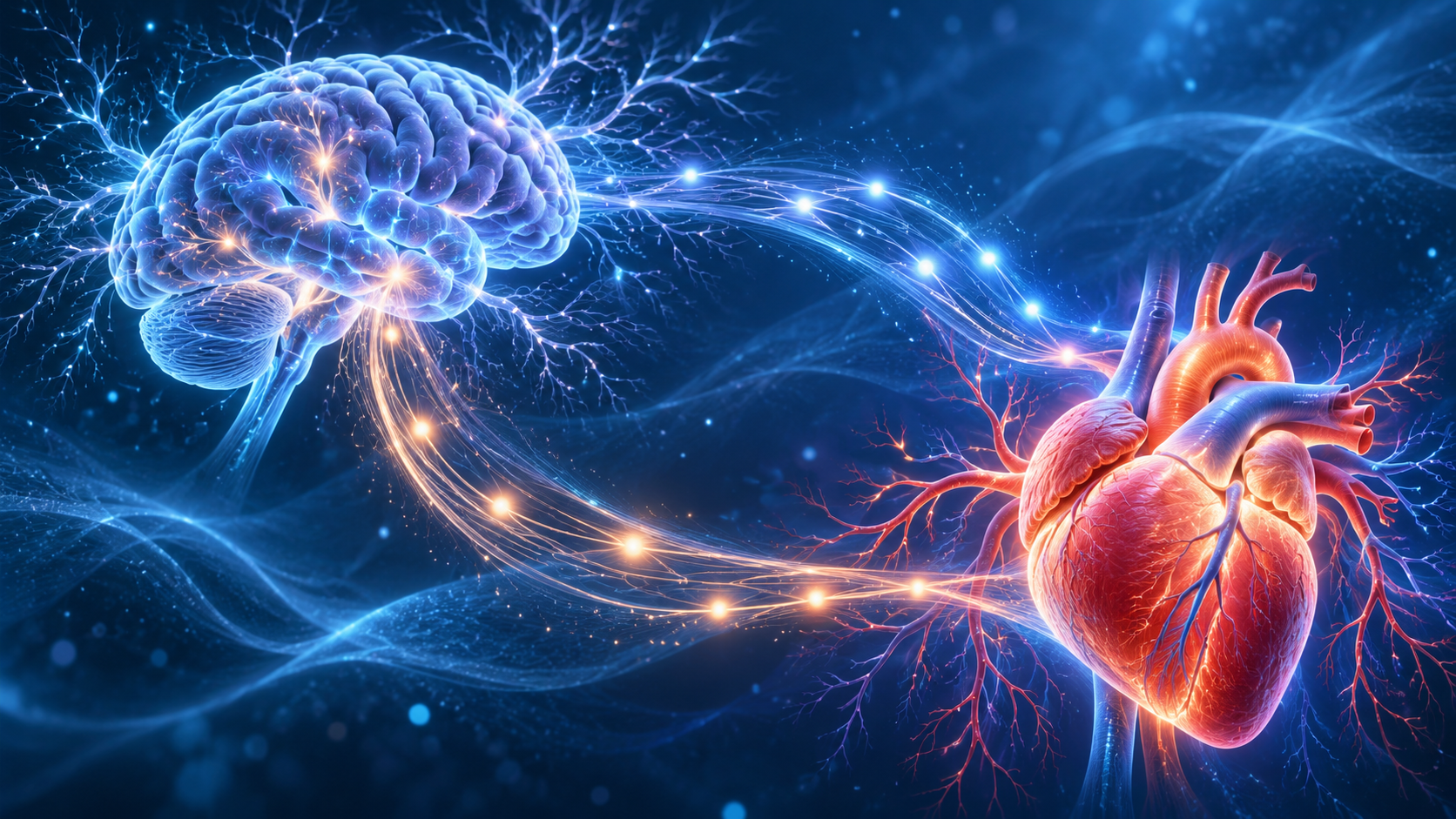
How the Brain Communicates With the Heart
One of the main communication pathways between the brain and heart is the autonomic nervous system.
This system regulates heart rate, blood pressure, breathing, digestion, sweating, and other processes that do not normally require conscious control.
Sympathetic Nervous System
Helps mobilize energy during exercise, excitement, or stress. It can increase heart rate and the strength of cardiac contractions.
Parasympathetic Nervous System
Becomes more influential during quiet states and helps the heart return toward a slower resting rhythm.
These branches do not simply switch on and off. Their influence changes continuously to match the body’s needs.
The brainstem manages essential cardiovascular reflexes, while the hypothalamus helps coordinate stress, temperature, hormones, and energy balance.
Brain regions involved in emotion and body awareness also participate. This is why a thought, memory, or sudden sound can produce a real change in the heartbeat.
How the Heart and Blood Vessels Send Information Back
Communication also travels from the cardiovascular system toward the brain.
Sensory receptors monitor changes in heart activity, blood vessels, pressure, and circulation.
Among the most important are baroreceptors, found mainly in the carotid arteries and aortic arch.
These receptors detect stretching in the walls of major blood vessels. When pressure changes, they send information to the brainstem.
If pressure rises, the brain can reduce sympathetic activity and increase parasympathetic influence. If pressure falls, it can increase heart rate and vascular tone.
This automatic process is called the baroreflex.
The baroreflex becomes especially important when you stand up. Gravity moves blood toward the legs, and the nervous system rapidly adjusts circulation to help maintain blood flow to the brain.
The brain combines this feedback with information from the lungs, muscles, digestive system, hormones, and senses. This awareness of the internal body is known as interoception.
Each Heartbeat Carries Information
A healthy heart does not beat like a perfectly fixed metronome.
The interval between one heartbeat and the next changes slightly, even at rest.
These variations reflect breathing, posture, movement, blood pressure, nervous system signals, and other influences.
This pattern is known as heart rate variability, or HRV.
HRV provides one window into cardiovascular and autonomic regulation. A responsive system should be able to adjust rather than remain locked into one rhythm.
However, HRV should not be reduced to the idea that “higher is always better.”
Age, fitness, breathing, sleep, posture, medications, illness, measurement duration, and time of day can all affect the result.
HRV can provide useful information, but it is not a diagnosis or a complete measurement of nervous system health.
Breathing Joins the Conversation
Breathing creates one of the clearest links between the heart and nervous system.
This natural pattern is called respiratory sinus arrhythmia.
Slow, comfortable breathing can make this coordination more noticeable. The lungs, vagus nerve, chest pressure, and baroreflex all contribute to the pattern.
This is one reason a longer, unforced exhale can feel settling. It provides a steady rhythm for the respiratory and cardiovascular systems.
Stress Changes Both Sides of the Conversation
When the brain interprets a situation as demanding, it prepares the body to respond.
Heart rate can rise, breathing can become faster, blood vessels can adjust, and muscles can tighten. These changes are useful when action is required.
The difficulty begins when the nervous system continues receiving signals of urgency throughout the day.
Deadlines, notifications, worry, noise, caffeine, poor sleep, and continual screen use can maintain a low level of activation even while the body is physically still.
A faster heartbeat, shorter breath, or tense muscles can then reinforce the sense that the body must remain ready.
This does not mean emotions originate in the heart. It means mental and physical states influence one another through connected neural, hormonal, and circulatory pathways.
Supporting this relationship involves giving the body regular opportunities to move from activation back toward rest.
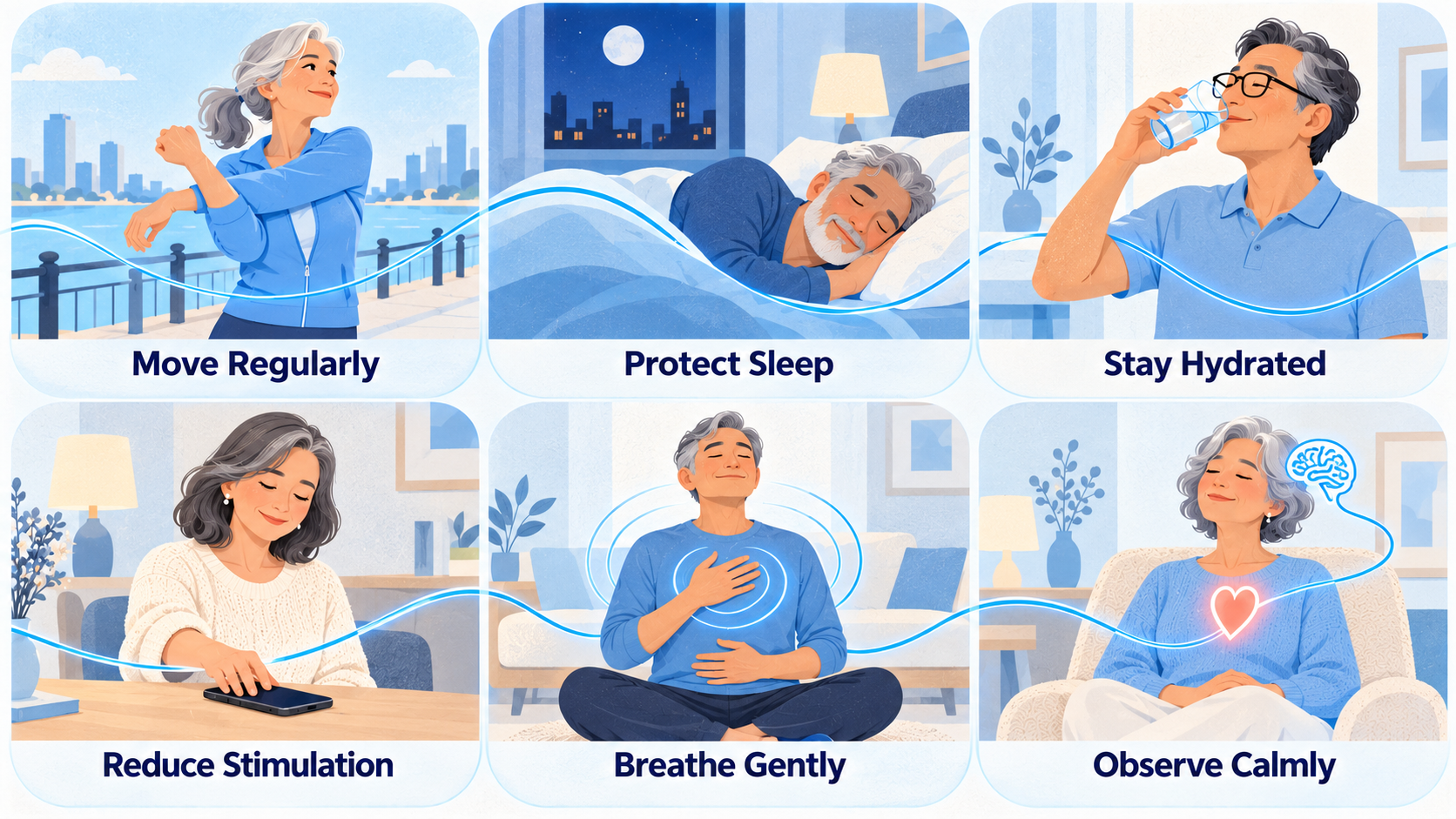
Simple Ways to Support Heart–Brain Coordination
The heart–brain connection does not require a complicated wellness routine.
Move Regularly
Walking, stretching, and changing position help the cardiovascular system adapt.
Protect Sleep
Consistent sleep and waking times support predictable activity and recovery rhythms.
Stay Hydrated
Adequate fluid supports blood volume, circulation, and nutrient transportation.
Reduce Stimulation
Quiet periods give the nervous system fewer signals requiring immediate attention.
Breathe Gently
A slightly longer exhale can create a simple transition between activity and rest.
Observe Calmly
Notice body signals without trying to monitor or control every heartbeat.
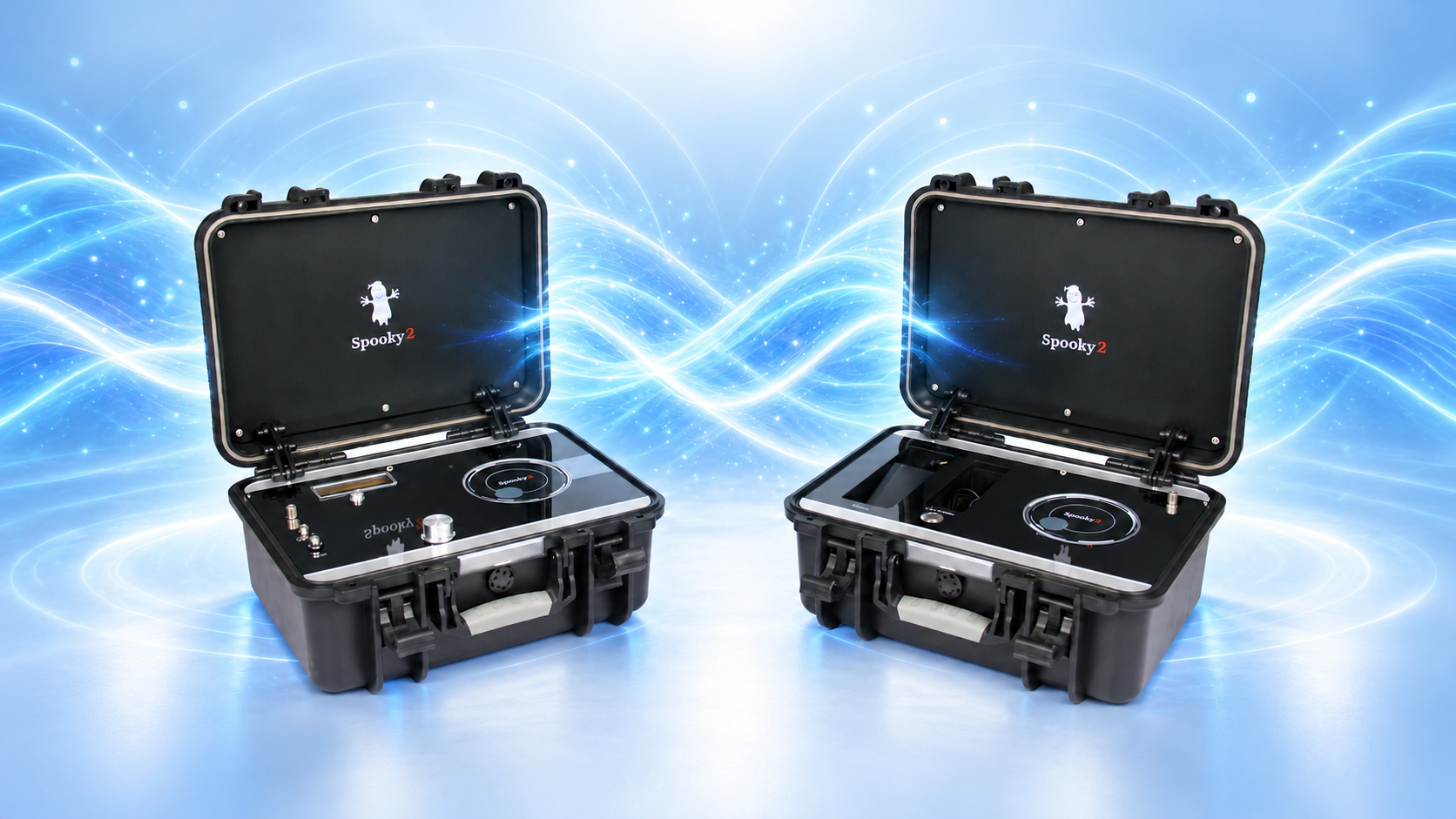
Creating a Calm Heart–Brain Routine With Spooky2 Scalar
Spooky2 Scalar creates a field between its Transmitter and Receiver. The user can sit or lie comfortably between the units while receiving gentle, non-contact energetic support.
A Pure Scalar session requires little interaction. This makes it suitable for a quiet routine centered on reduced stimulation, natural breathing, and whole-body rest.
The purpose is not to control heart rate or treat a cardiovascular condition.
Instead, the Scalar field can form part of a calm environment in which the body has fewer external demands and more uninterrupted time to settle.
- Prepare the System Position and tune the Transmitter and Receiver correctly.
- Get Comfortable Sit or lie within the Scalar field with the body supported.
- Reduce Distractions Silence notifications and soften bright lighting.
- Observe the Breath Notice its natural rhythm before changing it.
- Extend the Exhale Use a comfortable rhythm without forcing the breath.
- Add Calming Sound Play gentle audio through Scalar Harmony if desired.
- Release the Technique Let breathing return to its natural rhythm.
- Finish Gradually Sit quietly before returning to normal activity.
A Conversation That Never Stops
The heart and brain remain connected during every moment of activity and rest.
The brain adjusts the heart according to movement, emotion, temperature, and energy demand.
The heart and blood vessels send information back through sensory nerves and pressure-regulating reflexes.
Breathing joins the exchange, helping coordinate heart rhythm and autonomic activity.
Wellness does not depend on keeping the heart slow or remaining relaxed at all times. The body needs to become alert when action is required and settle when the demand has passed.
The important quality is flexibility.
Regular movement, sleep, hydration, gentle breathing, quieter surroundings, and time inside the Scalar field can help create conditions that support this natural adaptability.
The heart and brain are always communicating. Sometimes the most supportive thing we can do is give their conversation a little more space.
References
-
Testai, F. D., et al. Cardiac Contributions to Brain Health: A Scientific Statement From the American Heart Association. Stroke, 2024.
https://www.ahajournals.org/doi/10.1161/STR.0000000000000476 -
Tahsili-Fahadan, P., et al. Heart–Brain Axis. Circulation Research, 2017.
https://www.ahajournals.org/doi/10.1161/CIRCRESAHA.116.308446 -
Suarez-Roca, H., et al. Baroreceptor Modulation of the Cardiovascular System, Pain, Consciousness, and Cognition. Comprehensive Physiology, 2021.
https://pmc.ncbi.nlm.nih.gov/articles/PMC8480547/ -
National Center for Complementary and Integrative Health. Interoception Research.
https://www.nccih.nih.gov/about/nccih-strategic-plan-2021-2025/top-scientific-priorities/interoception-research -
Zaccaro, A., et al. How Breath-Control Can Change Your Life: A Systematic Review on Psycho-Physiological Correlates of Slow Breathing. Frontiers in Human Neuroscience, 2018.
https://pmc.ncbi.nlm.nih.gov/articles/PMC6137615/