

Your Bones Are More Active Than They Look
Bones may appear solid and unchanging, but they are living tissues that continuously renew themselves.
Throughout life, the body removes older or damaged bone and replaces it with new tissue through a process known as bone remodeling.
When bone removal and formation remain balanced, the skeleton can maintain its structure. When bone is removed faster than it is replaced, bone density may gradually decline.
🏗️ Bone Remodeling: A Quiet Construction Site
This process happens continuously, even though it cannot usually be felt.
Why Bone Loss Can Be Difficult to Notice
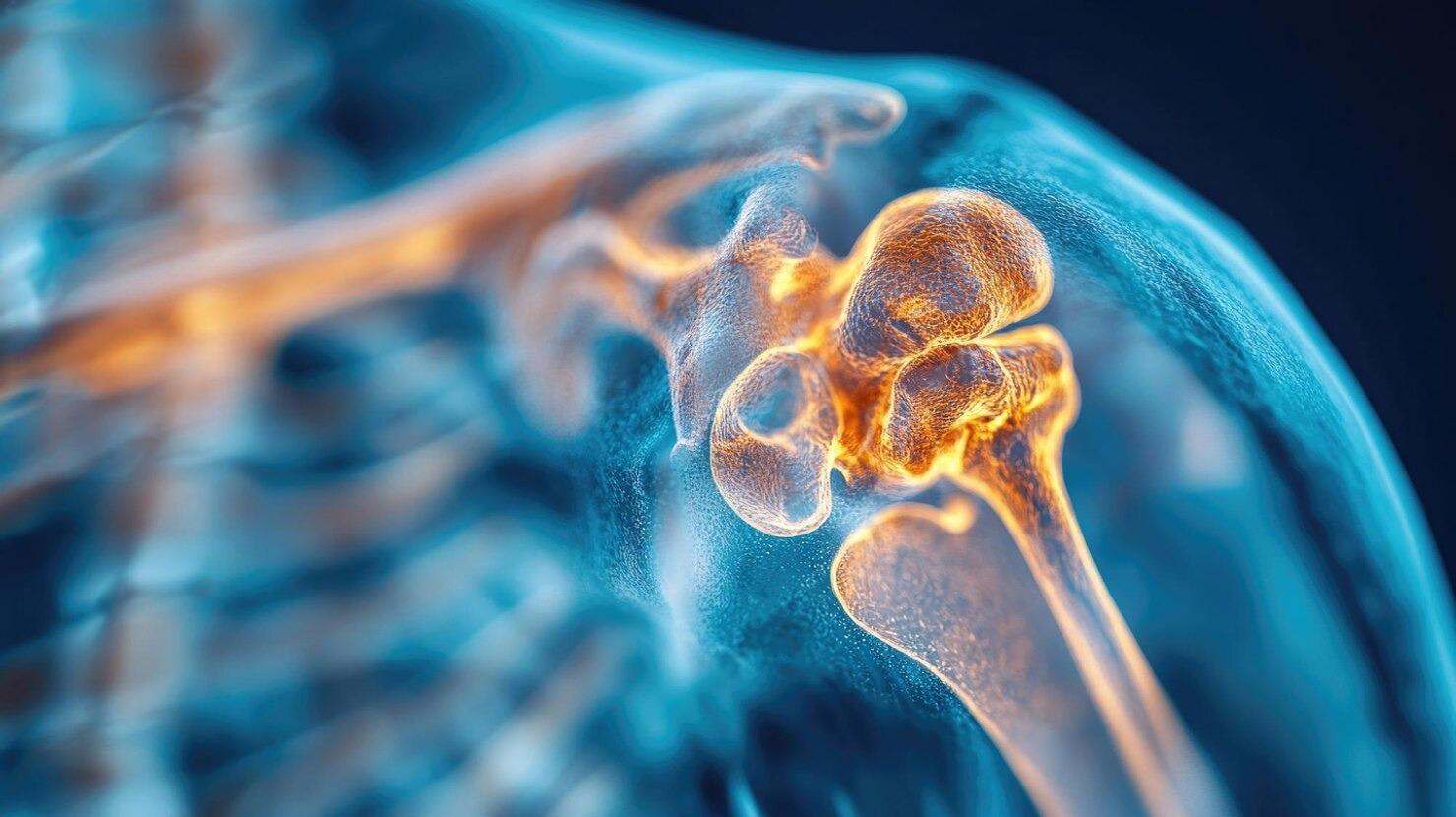
Early bone loss normally does not produce the immediate discomfort associated with an inflamed joint, strained muscle, or irritated nerve.
More noticeable changes may appear only after the vertebrae or other bones have already weakened. Possible warning signs include:
Height loss, posture changes, or unexplained back pain should be medically evaluated because they can sometimes indicate a vertebral compression fracture.
Factors That May Quietly Weaken Your Bones
Aging
Bone mass is built mainly during childhood and early adulthood. As people grow older, bone removal may begin to outpace bone formation, gradually reducing bone strength.
Age is important, but nutrition, exercise, hormones, medical history, and medications also influence how quickly bone changes occur.
Menopause and Hormonal Changes
Estrogen plays an important role in maintaining bone tissue. Its decline during and after menopause can accelerate bone loss.
Men may also experience bone loss, particularly with aging or conditions that reduce testosterone levels.
Too Little Weight-Bearing Activity
Bones respond to the physical forces placed upon them. Walking, dancing, stair climbing, and resistance exercise encourage the skeleton to remain active.
Long periods of inactivity provide less stimulation for maintaining bone tissue and may also weaken the muscles needed for balance.
Insufficient Calcium and Vitamin D
Calcium provides much of the mineral structure that gives bones strength.
Vitamin D helps the body absorb calcium and maintain the calcium and phosphate levels needed for normal bone mineralization.
Smoking and Excessive Alcohol
Smoking is associated with poorer bone health, while heavy alcohol use may interfere with bone formation and increase the chance of falls.
Reducing these habits can support bone health, circulation, balance, and overall physical wellness.
Certain Health Conditions
Thyroid disorders, rheumatoid arthritis, celiac disease, inflammatory bowel disease, eating disorders, and certain hormonal or metabolic conditions may affect bone health.
The condition itself, its symptoms, or the medication used to manage it may all influence bone remodeling.
Long-Term Use of Certain Medications
Some medications may reduce bone density when used for extended periods. Glucocorticoid steroids are a common example, while certain cancer treatments and other medications may also affect bone remodeling.
Prescribed medication should never be stopped without professional guidance. A healthcare provider can determine whether additional screening or bone-protection measures are appropriate.
Quick Bone Strength Check
Consider discussing bone health with a healthcare professional when several of the following apply:
This checklist cannot diagnose osteoporosis. It highlights factors that may justify a professional risk assessment or bone-density test.
How to Support Stronger Bones in Daily Life
Give Your Bones a Reason to Stay Strong
Weight-bearing exercise works against gravity and provides a healthy physical signal to the skeleton.
Resistance and weight-bearing exercise can support both bone and muscle strength, while balance training may reduce fall risk. People with osteoporosis, previous fractures, or significant physical limitations should obtain professional guidance before beginning a new routine.
Build a Bone-Supportive Plate
A balanced diet provides the minerals, vitamins, protein, and energy required for maintaining bone and muscle.
Calcium-rich foods may include dairy products, calcium-fortified plant beverages, tofu prepared with calcium, canned fish containing soft bones, and certain leafy green vegetables.
Vitamin D occurs naturally in fewer foods, including fatty fish and egg yolks, and is added to some fortified products. Individual supplement needs should be based on diet, age, medical history, and professional guidance.
Protect Your Balance as Well as Your Bones
Stronger bones are only one part of reducing fracture risk. Muscle weakness, dizziness, poor vision, unsafe footwear, medication side effects, loose rugs, and inadequate lighting may all increase the likelihood of falling.
Strength and balance exercises, medication reviews, safe footwear, and simple home modifications can help protect mobility and independence.
Do Not Wait for Pain to Ask About Screening
A bone mineral density test measures the mineral content of the bones. The most common test is a dual-energy X-ray absorptiometry scan, usually called a DXA or DEXA scan, which commonly examines the hip and spine.
Current USPSTF guidance recommends screening women aged 65 or older. Younger postmenopausal women should first be assessed for risk factors and screened when their clinical risk is elevated. Current evidence remains insufficient to recommend universal screening for all men, so individual assessment is important.
How Scalar Energy May Support Bone Renewal
Bone repair depends on the continuous work of bone cells. These cells need sufficient energy, circulation, nutrients, and coordinated communication to remove aging tissue and build new bone.
Scalar energy may help create a more balanced energetic environment for these processes. By supporting cellular activity, circulation, and natural regeneration, it may help strengthen the body’s bone-renewal capacity and slow processes associated with premature bone aging.
Spooky2 Scalar offers three ways to support a bone-health routine:
Pure Scalar
Creates a whole-body scalar field designed to support cellular energy, communication, and natural tissue renewal.
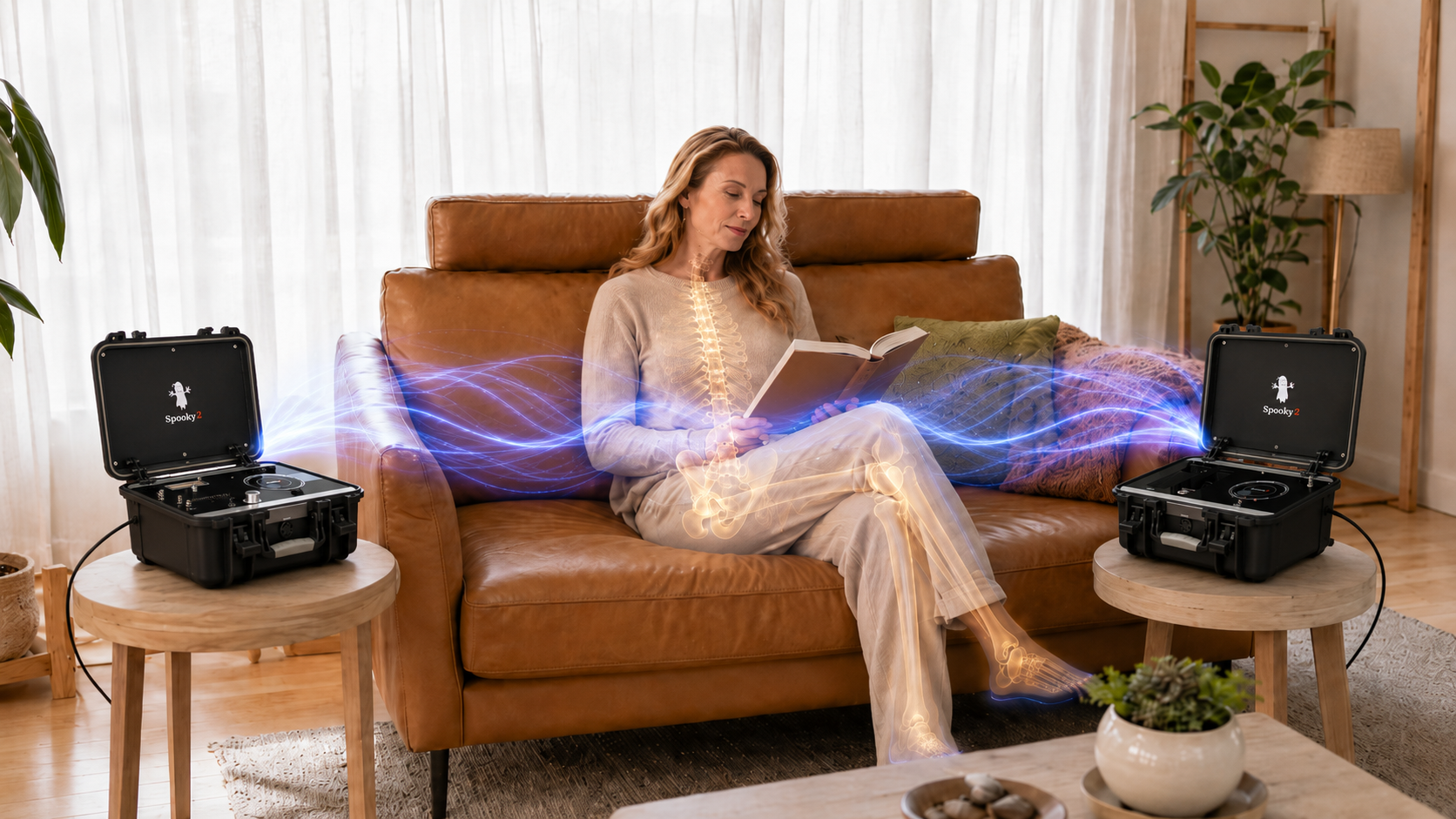
Users can simply rest, sit, or lie within the field created between the Spooky2 Scalar Transmitter and Receiver.
Molecular Scalar
Vitamin D3, calcium, magnesium, and other bone-supportive substances can be placed on the Receiver coil, allowing their molecular information to be introduced into the scalar field.
Vitamin D is especially relevant to bone health because it supports calcium absorption and normal bone mineralization.
Rife Scalar
When connected to GeneratorX Pro, Spooky2 Scalar can transmit selected frequency programs through the scalar field.
Users can search the Spooky2 frequency database for programs such as Vitamin D and other bone-related options, creating a more targeted frequency session.
This creates a more focused wellness routine for supporting bone renewal, maintaining strength, and helping slow processes associated with premature bone aging.
Final Thoughts
Bone loss may be silent, but bone health should not be forgotten.
Supporting the skeleton begins with understanding personal risk factors and providing the body with the movement, nutrients, rest, and daily care it needs.
The changes occurring inside the bones may not always be noticeable, but consistent choices today can help preserve strength, mobility, and independence for the future.
Create a More Supportive Environment for Your Body
Discover how Spooky2 Scalar can bring whole-body scalar energy, molecular information, and targeted frequency programs into your everyday wellness routine.
Explore Spooky2 Scalar