

Introduction
Dementia is often thought of as a condition of old age. But many of the factors that influence brain health can begin developing decades before memory problems appear.
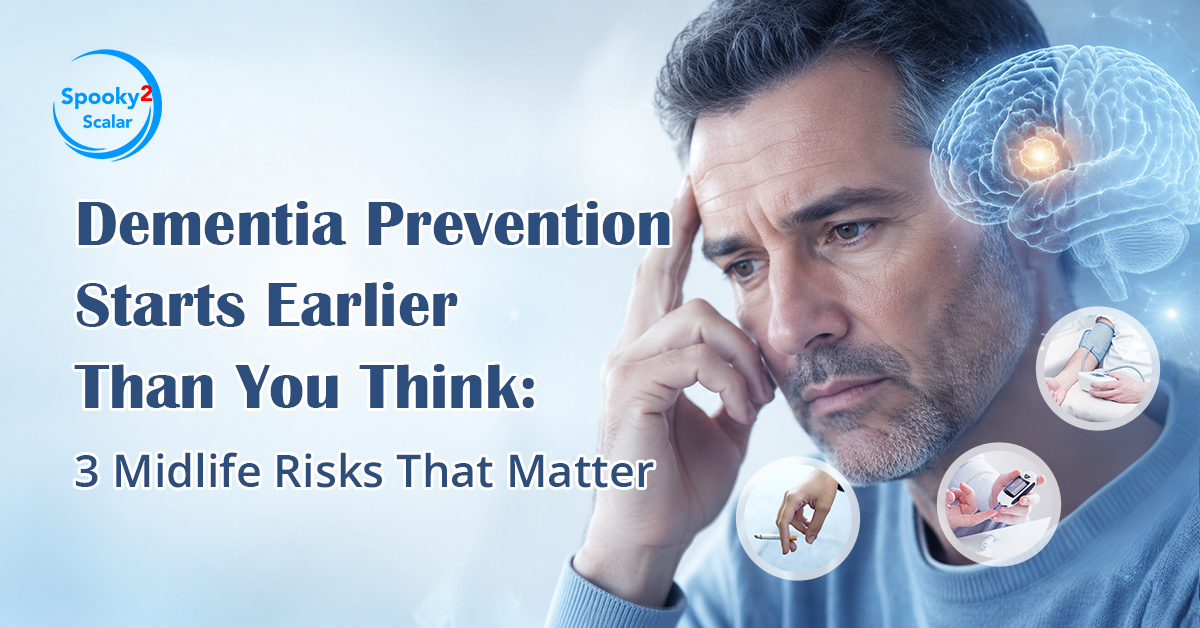
In July 2026, the World Health Organization released updated guidelines on reducing cognitive decline and dementia risk. More than 57 million people worldwide are living with dementia, with nearly 10 million new cases each year. WHO also reports that up to 45% of dementia risk may be linked to potentially modifiable factors, including physical inactivity, social isolation, smoking, air pollution, high blood pressure, and diabetes.
Source: World Health Organization
That makes midlife an important window for supporting long-term brain health.
Why Midlife Matters for Brain Health
Your brain depends on a continuous supply of oxygen, glucose, nutrients, and healthy blood flow.
Over many years, conditions that damage blood vessels or interfere with metabolism can gradually affect the same systems that keep brain cells functioning efficiently.
You may not notice these changes immediately.
Blood pressure can slowly rise. Blood sugar can become harder to control. Physical activity may decrease as work becomes more sedentary. Meanwhile, the brain continues adapting in the background.
This is why protecting cognitive health is not only about doing puzzles or trying to improve memory.

High Blood Pressure: A Silent Stress on the Brain
High blood pressure often causes no obvious symptoms, which is why it can remain unnoticed for years.
But the brain contains an enormous network of small blood vessels responsible for delivering oxygen and nutrients to brain tissue.
When blood pressure remains elevated over long periods, these vessels are exposed to greater mechanical stress. Gradually, this can affect vessel walls, vascular flexibility, and the efficiency of blood flow through the brain.
The problem is not necessarily what happens after one high reading.
It is the cumulative effect of years of vascular strain.
Healthy circulation matters because neurons require a constant supply of oxygen and nutrients. Brain tissue is highly metabolically active and has very little tolerance for interruptions in blood flow.
Over time, damage to small blood vessels can affect the brain's ability to maintain healthy circulation and may make it more vulnerable as we age.
Supporting Healthier Blood Pressure
- Regular physical activity
- Maintaining a healthy weight
- Reducing excessive sodium intake
- Eating a balanced diet
- Getting adequate sleep
- Managing chronic stress
- Checking blood pressure regularly
- Following appropriate medical treatment when needed
Taking blood pressure seriously in your 40s and 50s may therefore have benefits that extend far beyond cardiovascular health.
High Blood Sugar and Diabetes: When Metabolic Health Affects the Brain
The brain is one of the most energy-demanding organs in the human body.
Although it represents only a small percentage of total body weight, it consumes a significant share of the body's available energy.
Glucose is one of the brain's primary fuels.
But having glucose available is very different from having constantly elevated blood sugar.
When blood sugar remains high for long periods, several processes can become affected, including blood vessel health, inflammation, oxidative stress, and insulin signaling.
All of these can influence the environment in which brain cells function.
Why Insulin Resistance Matters
Insulin helps the body move glucose from the bloodstream into cells, where it can be used or stored.
When cells become less responsive to insulin, the body may compensate by producing more of it.
This stage—known as insulin resistance—can develop gradually for years before type 2 diabetes is diagnosed.
During that time, some people may notice changes such as:
- Strong fluctuations in energy
- Fatigue after meals
- Increased hunger
- Difficulty controlling weight
- Increased abdominal fat
- Higher fasting glucose
- Increased thirst
- A more sedentary lifestyle
These signs do not automatically mean someone has diabetes, but they can be reasons to pay closer attention to metabolic health.
Poor glucose regulation can also interact with other dementia-related risks.
For example, insulin resistance often occurs alongside high blood pressure, obesity, abnormal cholesterol levels, and chronic inflammation.
This means several forms of metabolic and cardiovascular stress may be affecting the body at the same time.
Supporting Healthier Glucose Regulation
- Moving regularly throughout the day
- Limiting excessive refined carbohydrates and added sugars
- Eating adequate protein and fiber
- Maintaining healthy muscle mass
- Getting sufficient sleep
- Managing body weight when appropriate
- Checking blood glucose when recommended
Muscle is particularly important because active muscle tissue helps use circulating glucose.
This is another reason strength training and regular movement become increasingly valuable with age.
Physical Inactivity: The Risk That Affects Almost Everything Else
Modern life makes inactivity surprisingly easy.
We sit while working. We sit while driving. We sit during meals. Then many people spend the evening sitting while watching television or using their phones.
A person can feel extremely busy all day while still spending most of that day physically inactive.
The problem is that movement influences many of the same systems connected with brain health.
Regular physical activity helps support:
- Healthy circulation
- Cardiovascular fitness
- Blood pressure regulation
- Blood sugar control
- Insulin sensitivity
- Muscle strength
- Mitochondrial function
- Sleep quality
- Mood
- Stress regulation
Exercise also increases the demand for blood flow throughout the body, including the brain.
Over time, regular movement helps the cardiovascular system become more efficient at delivering oxygen and nutrients where they are needed.
You Do Not Need Extreme Exercise
Supporting brain health does not require becoming an athlete.
Walking, cycling, swimming, gardening, resistance training, stretching, or simply interrupting long periods of sitting can all contribute to a more active lifestyle.
A practical routine might include:
- Walking most days
- Strength training several times each week
- Standing up regularly during long periods of desk work
- Taking stairs when possible
- Spending more time outdoors
- Maintaining mobility and balance
- Choosing activities you genuinely enjoy
Consistency matters more than occasional intensity.
Someone who walks for 30 minutes most days may gain more long-term benefit than someone who performs one exhausting workout and then remains inactive for the rest of the week.
Dementia Prevention Is Bigger Than These Three Factors
Blood pressure, blood sugar, and physical inactivity are only part of the picture.
Brain aging is influenced by many interconnected factors, including:
Sleep, for example, provides the brain with an important period of recovery.
Social interaction challenges the brain to communicate, interpret emotions, remember information, and respond to changing situations.
Healthy hearing supports communication and social engagement.
Good nutrition supplies cells with the nutrients they need for energy production, maintenance, and normal function.
Rather than thinking of dementia prevention as one treatment or one supplement, it may be more useful to think of brain health as the result of an environment created over many years.
The more that environment supports circulation, metabolism, movement, sleep, recovery, and mental engagement, the more resilient the brain may be as it ages.
Creating a Daily Wellness Space With Spooky2 Scalar
Healthy brain aging also depends on giving the body enough time to relax, recover, and maintain healthy energy.
Spooky2 Scalar creates a Scalar energy field between the Transmitter and Receiver, allowing you to build a dedicated wellness space right at home.
Scalar energy may support relaxation, energetic balance, cellular vitality, and overall wellness, creating a calmer environment for the brain and nervous system to recover from everyday stress. With Rife Scalar mode, selected frequency programs can also be transmitted through the Scalar field for more focused wellness support.
Combined with movement, good sleep, nutrition, and cardiovascular care, Spooky2 Scalar can become a simple part of a daily brain-wellness and healthy-aging routine.

Start Protecting Tomorrow's Brain Today
Dementia may become visible later in life, but many of the factors that influence brain health can begin developing much earlier.
High blood pressure, poor glucose regulation, physical inactivity, poor sleep, and chronic stress can gradually reduce the body's—and the brain's—resilience over time.
Midlife therefore offers an important opportunity to strengthen the foundations of healthy aging before cognitive problems appear.
Protecting tomorrow's brain starts with supporting the body and brain today.
Make This August a Season of Wellness
Whether you're beginning your Spooky2 Scalar journey or upgrading your current setup, Summer Healing Month is a great opportunity to create your own Scalar wellness space at home.

Spooky2 Scalar
The perfect starting point for anyone new to scalar energy healing.
- Pure Scalar, Molecular Scalar & Scalar Harmony
- Stronger scalar field performance
- Easy to set up and operate

Spooky2 Scalar GX Pro Essential Kit
The most complete and versatile scalar system for deep energetic healing.
- Pure, Molecular, Rife-Scalar Modes & Scalar Harmony
- Integrated Scalar Biofeedback Scanning
- Deep, gentle, and personalized wellness support