

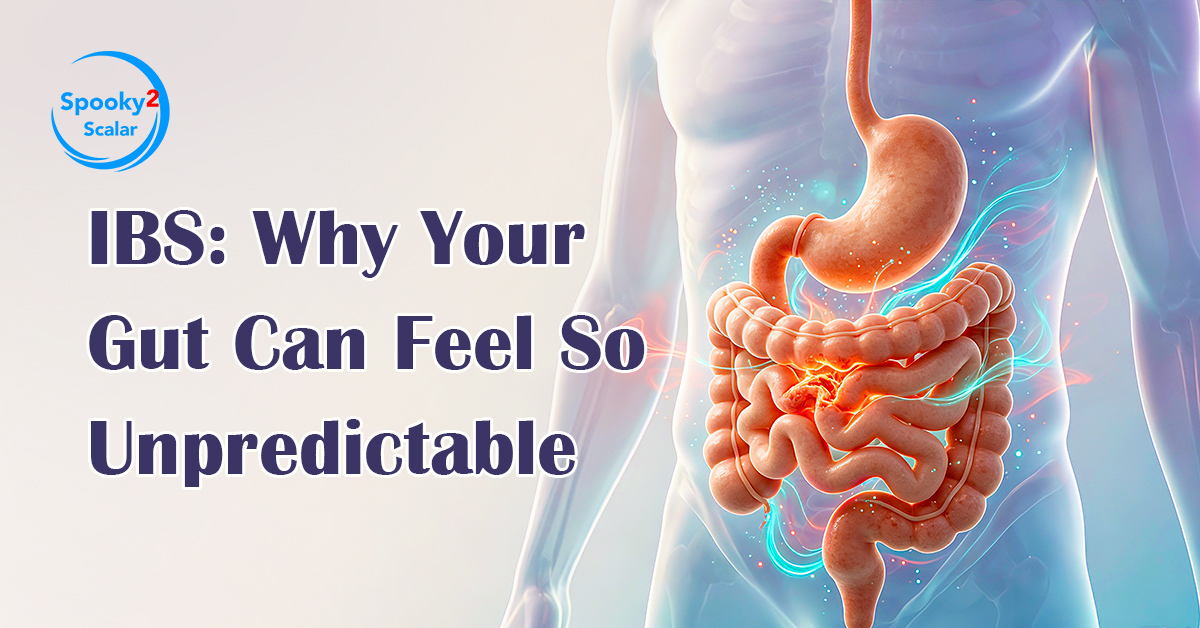
Bloating after meals. Sudden cramping. Days of constipation followed by unexpected diarrhea. For people with Irritable Bowel Syndrome (IBS), digestive symptoms can feel frustratingly unpredictable.
IBS is more than simply having a “sensitive stomach.” It is now understood as a disorder involving the way the gut and brain communicate, which helps explain why food, stress, sleep, and emotional state can all influence symptoms.
What Is IBS?
IBS is a chronic digestive condition mainly characterized by recurring abdominal pain and changes in bowel movements. Unlike inflammatory bowel diseases such as Crohn’s disease or ulcerative colitis, IBS does not usually cause visible damage to the digestive tract.
Symptoms can vary significantly from one person to another and may also change over time.
Constipation Predominant
Bowel movements are often hard, dry, infrequent, or difficult to pass.
Diarrhea Predominant
Loose stools, urgency, and more frequent bowel movements are more common.
Mixed IBS
Constipation and diarrhea may alternate, sometimes making symptoms especially unpredictable.
Why Can IBS Feel So Unpredictable?
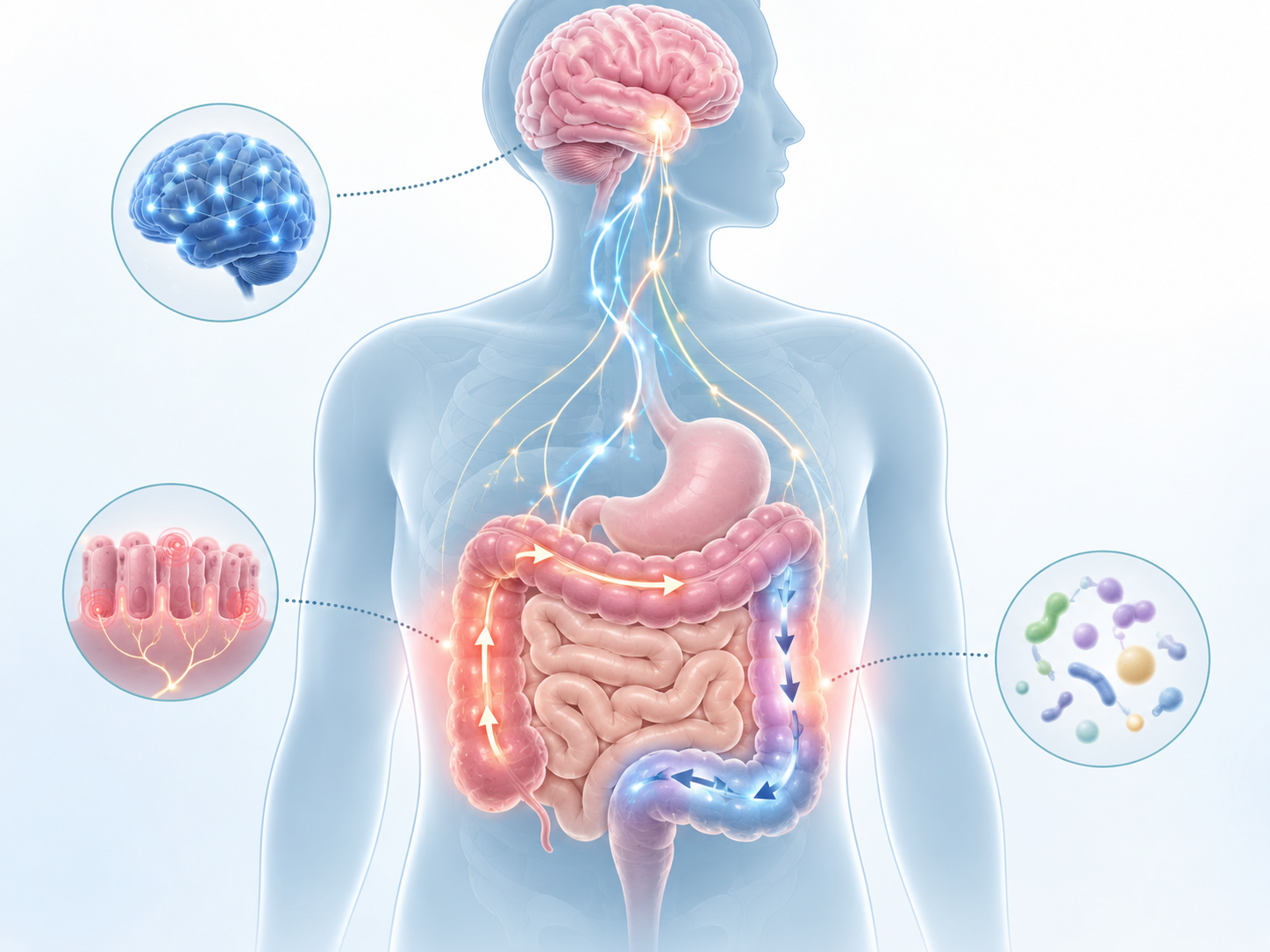
The Gut-Brain Connection
The digestive tract and brain constantly exchange nerve signals. In IBS, this communication may become more sensitive, making normal digestive sensations feel like cramping, pressure, urgency, or pain.
Increased Gut Sensitivity
Normal amounts of food, gas, or intestinal stretching may be felt more intensely. This is why even moderate bloating can sometimes feel extremely uncomfortable.
Changes in Gut Motility
If food moves through the intestines too quickly, diarrhea and urgency can occur. If movement becomes too slow, constipation, fullness, and bloating may develop.
The Gut Microbiome
The microorganisms living in the digestive tract interact with digestion, immunity, and the nervous system. Changes in this environment may contribute to symptoms in some people with IBS.
Why Stress Can Go Straight to Your Gut
Have you ever felt your stomach tighten before an important meeting—or suddenly needed the bathroom during a stressful situation?
That is the gut-brain connection in action. Stress can influence intestinal contractions, digestive sensitivity, appetite, sleep, and how strongly abdominal discomfort is perceived.
Stress Does Not Mean IBS Is “All in Your Head”
Stress does not necessarily cause IBS, but it can make symptoms noticeably worse in many people.
When the nervous system remains under pressure, the digestive system may become more reactive. This helps explain why IBS flares often appear during periods of poor sleep, emotional strain, anxiety, or major changes in daily routine.
Common IBS Triggers
There is no single IBS trigger that affects everyone. Symptoms often depend on a person’s individual digestive sensitivity, diet, lifestyle, and stress level.
Everyday Ways to Calm an Irritable Gut
IBS management is highly individual. Finding patterns in food, bowel habits, sleep, and stress can help identify which changes make the biggest difference.
Track Food & Symptoms
A simple diary can help reveal connections between meals, stress, sleep, and digestive symptoms.
Eat More Consistently
Smaller and more regular meals may feel easier for a sensitive digestive system than large meals.
Choose Fiber Carefully
Fiber can support bowel regularity, although increasing it too quickly may worsen gas or bloating.
Stay Physically Active
Walking and regular movement can support bowel motility, circulation, and stress regulation.
Prioritize Sleep
Poor sleep can increase stress sensitivity and make an already reactive digestive system feel harder to manage.
Calm the Nervous System
Breathing exercises, meditation, yoga, and relaxation practices may help reduce gut-brain reactivity.
When IBS-Like Symptoms Need More Attention
Not every episode of bloating, diarrhea, constipation, or abdominal pain is IBS. Persistent symptoms should be evaluated, especially when certain warning signs appear.
Creating a Calmer Gut-Brain Environment With Spooky2 Scalar
Because IBS is closely linked to the gut-brain connection, supporting relaxation and nervous-system balance may help create a more comfortable digestive environment.
Spooky2 Scalar creates a Scalar energy field between the Transmitter and Receiver that may support relaxation, energetic balance, cellular vitality, and natural recovery.
Scalar Energy Field
Creates a gentle whole-body environment for relaxation, balance, and daily recovery.
Molecular Scalar
Can be explored with digestive-wellness products such as peppermint oil capsules or other suitable supplements.
Rife Scalar
IBS- and digestion-related frequency programs can be transmitted through the Scalar field for more focused wellness support.

Your Gut and Brain Are Always Talking
IBS is not simply about having a sensitive stomach. It reflects a more complex relationship between intestinal movement, digestive nerves, food, microorganisms, stress, sleep, and the brain.
Learning your own triggers and supporting both digestive and nervous-system wellness can make an unpredictable gut feel much more manageable.
Make August a Month for Everyday Wellness
Create your own Scalar wellness space at home and enjoy special savings during Spooky2 Scalar Summer Healing Month.

Spooky2 Scalar
The perfect starting point for anyone new to scalar energy wellness.
- Pure Scalar, Molecular Scalar & Scalar Harmony
- Stronger scalar field performance
- Easy to set up and operate

Spooky2 Scalar GX Pro Essential Kit
The most complete and versatile Scalar system for a broader wellness experience.
- Pure, Molecular, Rife Scalar Modes & Scalar Harmony
- Integrated Scalar Biofeedback Scanning
- Deep, gentle, and personalized wellness support
National Institute of Diabetes and Digestive and Kidney Diseases — Irritable Bowel Syndrome
Mayo Clinic — Irritable Bowel Syndrome: Symptoms and Causes